
The One Metric AI Can't Track
Tech, Ethics + Startups
Hosted by Rhea Susarla
Listen on Spotify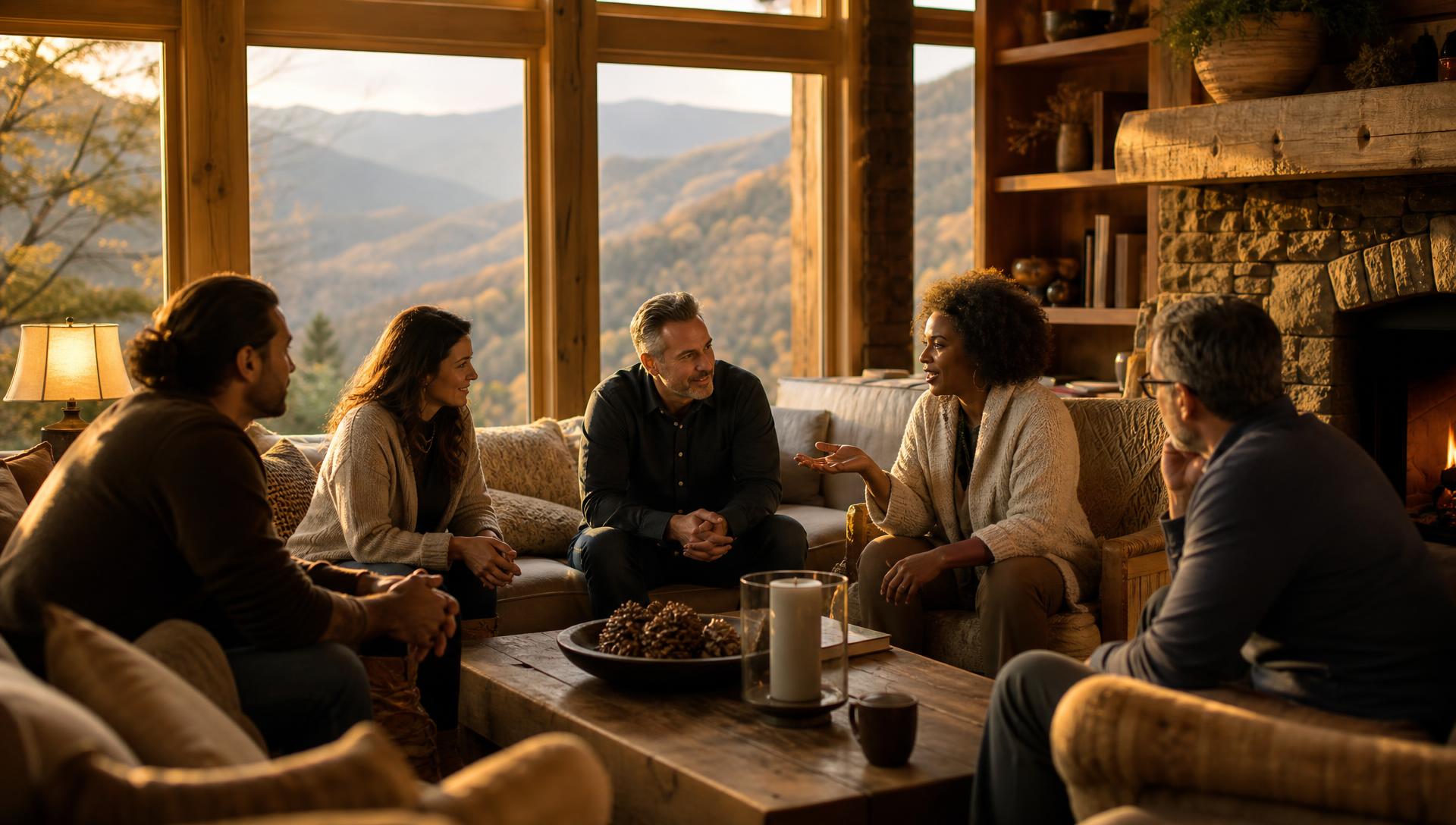
It's not your technology. It's not your people. It's the way change is being designed. I help leaders co-create the future of work with their teams, so everyone builds it, everyone owns it, and it actually works.
Start HereYour technology pilot stalled. Your change initiative didn't stick. You keep losing good people. If even one of those landed, keep reading.
You've invested in the technology. You've rolled out the programs. You've communicated the vision. And yet the returns aren't coming. AI pilots are failing at extraordinary rates and the cost isn't just the wasted budget. It's the people who quietly disengaged and eventually walked out the door. It's the trust that erodes every time a new initiative doesn't land.
So you find yourself asking: Is this a technology problem? A budget problem? A people problem? A leadership problem? Something else entirely?
We wrote the book on exactly why this is happening and it's free. At just 22 pages it's the most important thing you'll read before your next initiative.
The technology gap. The budget constraint. The resistant team. Leaders spend enormous energy trying to remove these obstacles rather than using them as the launch pad for what comes next. But what if the constraints aren't the problem? What if they're the map?
Inside your organization right now are people whose untapped strengths, hidden talents, and hard-won wisdom are exactly what your design challenge needs.
When you design with your people rather than for them the work becomes meaningful not because someone said so but because everyone helped build it. That's purpose from the inside out. And people given a clearly defined challenge and a seat at the table don't just show up. They rise. They shift from resistant to ready.
See how it works →“Karen asks the question behind the question. She challenges assumptions, notices what an organization is overlooking, and understands that human-centered design is not about making people feel good. It is about creating organizations that work better because they are designed around how humans actually think, connect, and contribute. She creates the conditions in which people can think honestly, see differently, and move forward together.”
Perry Knoppert
Founder, The Octopus MovementRead full recommendation →“Karen has a rare capacity to sit with a problem that everyone in the room can feel and nobody can quite name, and stay there long enough to find the right questions before reaching for answers. Most advisors jump to solutions. Karen goes looking for the conditions creating the problem. She sees what's actually happening. That turns out to be rarer than it should be.”
Scott Boddie
Consultant, Pattern 4 BuildingRead full recommendation →“She takes the heavily qualified research and finds language for it that a CEO will use. Armed with nothing but my heavily qualified research, she gets in the room and gets people to listen. In a room she is patient. She lets people talk their way around a problem, listens, then pulls the whole thing together at the end into something sharper than anyone walked in with.”
Clif P. Lewis
Co-founder, Human Score
Consultant, LBVC ConsultingRead full recommendation →“Karen has an exceptional talent for cutting through operational complexity, pinpointing where human infrastructure is failing, and translating structural friction into clear, actionable strategy. Any CEO, founder, or executive team looking to build a resilient, high-performing organization centered on genuine human capability needs Karen in their corner.”
Tammie Calys
Consultant, Next LVL MeRead full recommendation →“Karen blends human-centered design with strategy discipline. She helps leaders build organizations where people lead and AI supports so performance scales without burning people out. Karen brings clarity and calm to complex change, combining strategic thinking with human-centered design to establish decision cadence, trust, and measurable results.”
R. Dayalani
Board Governance Advisor, USUKCTRead full recommendation →Tech, Ethics + Startups
Hosted by Rhea Susarla
Listen on Spotify
Scaling with People
Hosted by Gwenevere Crary
Listen on Spotify
A World of Difference
Hosted by Lori Adams-Brown
Listen on Spotify